
Whoa! Okay, so check this out—firmware updates sound boring, right? But they matter. Big time. Seriously? Yes. My instinct told me years ago that treating a hardware wallet like a one-and-done purchase was risky. Initially I thought the device would just sit there, secure and silent, doing its job without fuss. Actually, wait—let me rephrase that: I assumed most updates would be small bugfixes. Then I watched a few update cycles and realized the reality is messier.
I run Ledger devices every day. I’ve set them up for friends, fixed weird recovery issues, and sat through customer support calls that were equal parts helpful and painfully slow. Here’s the thing. Firmware changes the rules of how your device talks to the world. A patched cryptographic routine or a changed USB permission can be the difference between safe custody and a headache. On one hand firmware gives you protection against new attacks; on the other, an improper update process can expose you to phishing or device-bricking risks. Hmm… that tension is worth unpacking.
Short story: keep your seed safe, but also verify the update path. My gut feeling says many users focus only on the seed phrase and ignore the update channel. That part bugs me. I’m biased, sure, but I’ve seen folks write down seeds and then plug their wallets into a compromised laptop—very very important to avoid that. A compromised host can prompt you to confirm malicious transactions during a “fake” firmware update. So yeah, safeguard both the seed and the update environment.
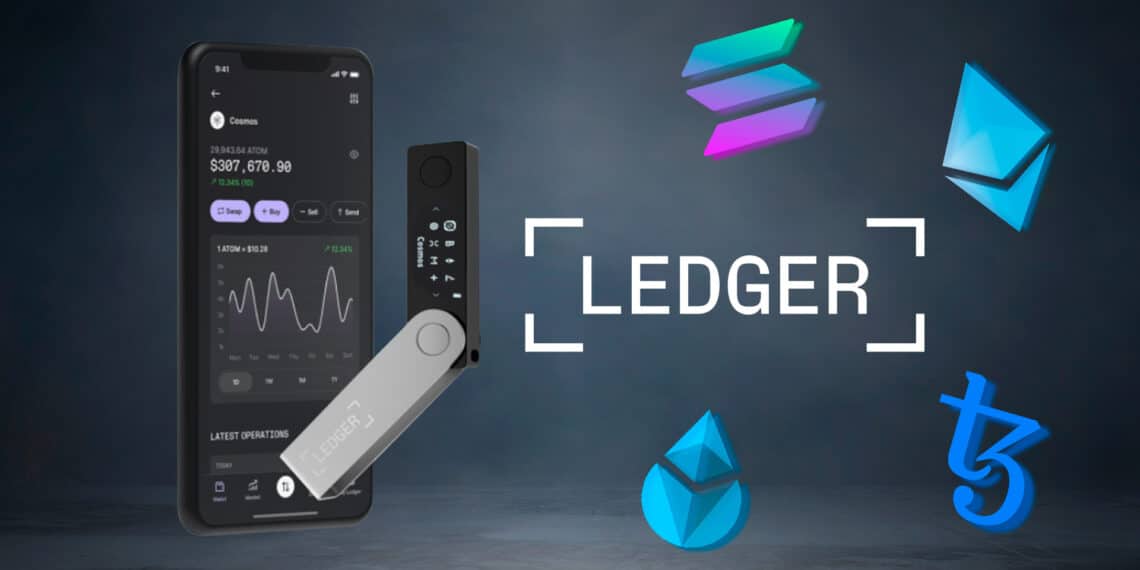
Why firmware updates matter, in plain English
Firmware is the device’s brain, small but powerful. Updates can close vulnerabilities, add support for new tokens, or fix display bugs that could otherwise be exploited by attackers. At the same time, updates are a vector. Attackers love predictable behavior. If they can trick you into installing a tampered update, you effectively hand them a set of keys. Something felt off about how some update prompts look—tiny UI differences, weird timing—and those are the gaps attackers exploit.
So how do you stay safe? First, use official channels only. The Ledger ecosystem centers on an app called Ledger Live. You can find the official download and firmware guidance at ledger. That link is the real one—bookmark it. Don’t follow links from random Telegram groups or social DMs. Really.
Second, verify before you update. Medium-level care: check the device model, the firmware version displayed on the device screen, and any release notes from Ledger. Longer thought: verify cryptographic signatures when possible, or at minimum confirm the update is coming from Ledger’s official client and that your OS isn’t acting suspiciously—unknown drivers, sudden permission prompts, or new certificate warnings are red flags.
Oh, and by the way… keep a clean host machine. I know that sounds preachy, but a malware-free laptop is your first line of defense. Use a dedicated machine if you can. If not, at least keep your browser and OS patched, and avoid clicking unknown files while your Ledger is connected. That’s basic, but surprisingly effective.
Step-by-step safe update routine (practical, hands-on)
Okay, short checklist. Read it aloud if that helps. Step one: back up your recovery phrase before you start—do it the right way, offline, on paper or on a metal backup. Step two: close all unnecessary apps and disconnect other USB devices. Step three: open Ledger Live from your bookmarked source. Step four: plug in your device and follow on-screen instructions. Step five: if Ledger Live asks you to enter your PIN or confirm a checksum on the device screen, do it—don’t enter secrets into the computer. Step six: wait for the device to reboot and verify version numbers.
There are nuances. Initially I thought firmware updates were atomic and undetectable, but actually the device shows specific screens for verification; those are your ally. If the device prompts you to restore a seed unexpectedly during an update, that’s abnormal. Don’t proceed. On one hand legitimate updates sometimes require a reinstall of apps on the device; though actually, if anything asks for your seed on the host, stop immediately—always.
Pro tip: after updating, check a small transaction of a trivial amount first, to make sure signing behaves as expected. Not elegant, but practical. If something looks odd—random addresses or extra confirmations—disconnect and seek help from Ledger support channels (use only the official site link above in your searches).
Common pitfalls and how to avoid them
Phishing sites that mimic Ledger Live. Fake installers circulated via social networks. Unscrupulous helpers offering “quick fixes” in DMs. These are the usual suspects. A simple defense is habit-building: always go to your bookmarked Ledger Live page, and type the URL yourself if needed. Don’t download a “hotfix” from a community post even if it promises to save you from a new exploit. Nope.
Also, be wary of cloud-backup offers for your seed. I get it—convenient. But convenience is risk. Store your seed offline, ideally on a metal plate if you care about fire and flood, and test your recovery on a spare device every year. I do this yearly; it keeps the process familiar and reveals any gaps in my paperwork. Somethin’ as simple as a flaky handwritten word can cost you access.
One more thing: firmware updates may require reinstalling apps for different coins, and that can be confusing. Reinstalling an app on the device doesn’t change your seed or balances. It just re-enables the device to sign for that blockchain. Keep that in mind so you don’t panic and input your seed somewhere you shouldn’t.
FAQ
Q: Can a firmware update ever steal my coins?
A: Directly? Not if you follow safe procedures. Indirectly? Yes, if you install a tampered update or run the update from a compromised host. The device requires physical confirmation to expose private keys, so attackers usually try to trick you into revealing your seed or approving a malicious transaction. Don’t share your seed, and always verify updates through official Ledger Live channels.
Q: Should I update immediately when a new firmware drops?
A: Not always. If you’re staking or running time-sensitive operations, wait a short period to let the community and Ledger confirm the update’s stability. But if the update patches a serious vulnerability, prioritize it. Weigh risk versus need—my rule: critical patches get priority; cosmetic updates can wait a week.
Alright—final thoughts. I started this worried and ended a bit more pragmatic. Firmware updates are a regular part of secure custody, not a one-off event. Treat them like routine maintenance: necessary, occasionally annoying, and best done with care. I’m not 100% sure we’ll ever make hardware wallets foolproof, but with simple habits—official software, offline backups, cautious hosts—you can tilt the odds heavily in your favor. Hmm… that feels better. Go be safe out there—and yeah, update responsibly.