
We help people understand the root cause of addiction and emotional struggles. Our team works with clients to heal from past trauma and learn better ways to handle stress. At Nirvana Recovery, we offer different programs that teach practical skills to avoid relapse. We also provide thorough aftercare support after treatment to help our clients stay on track. Once you’re Alcohol Use Disorder addicted to drinking alcohol, it’s hard to stop drinking.
For Alcohol Use Disorder (Dependence Present)

In other words, there is no difference between ethanol and ethyl alcohol. Ethanol or ethyl alcohol is the substance that causes mind-altering effects when you consume an alcoholic beverage. EtOH is the chemical abbreviation for ethanol, the type of alcohol found in alcoholic beverages like beer, wine, and spirits. Ethanol is a psychoactive substance that affects the central nervous system, producing effects such as relaxation, reduced inhibitions, and, at higher doses, impaired judgment and coordination.
What should I do if I think someone has EtOH addiction?
While ARD is a severe and life-altering condition, it’s important to remember that there is hope for recovery with the proper treatment and support. Less than 50% of people who begin any addiction treatment complete their program, and a significant number relapse afterward as well. Outpatient programs are less expensive than other rehab programs, such as inpatient rehab. Furthermore therapy costs will vary depending on the intensity level, ranging from mild to moderate. The rehab cost depends on the number of visits, duration of the sessions, and cost of the medication.
Alcohol Versus Ethanol: What’s the Difference?
- Aftercare support includes outpatient therapy, transitional living, crisis support, alumni programs, peer communities, and more.
- Addiction, or alcohol use disorder (AUD), involves a physical and psychological dependence on alcohol, making it difficult to stop despite severe consequences.
- Going cold turkey can be dangerous in some cases, which is why it\’s recommended to detox in a qualified facility.
While ethyl alcohol or EtOH is legal to use and sold in stores, restaurants, or bars, it’s not safe to consume regularly. If you engage in excessive drinking, you could develop an alcohol use disorder. Long-term misuse of alcohol can lead to a long list of social problems as well as physical problems like a weakened immune system and mental health issues. The side effects of chronic ETOH abuse are numerous and affect various organs in the body. Long-term ethanol abuse can also contribute to mental health disorders, such as anxiety and depression, and increase the risk of accidents due to impaired judgment and motor skills.
Some etoh meaning people who suffer from alcohol addiction end up needing liver transplants due to life-threatening issues. Understanding ethyl alcohol abuse is a crucial first step in acknowledging the problem and seeking help. The next step is to find a treatment program that provides the compassionate, professional care you deserve.
Getting treatment for alcohol abuse can be life-changing as it helps individuals cope more effectively with relapse triggers and offers lasting solutions for sustainable recovery. With proper support, therapy can help individuals overcome their dependence and take steps toward a healthier lifestyle. Long-term alcohol abuse can lead to a long list of negative consequences. If you have a moderate to severe form of alcoholism, you’ll need to attend professional treatment. At the Mandala Healing Center, we help those who drink excessively find the support they need to achieve sobriety.
Get Help With Alcohol Abuse Programs From Crest View Recovery Center
Many insurance companies partially cover the expense, so it’s best to confirm with the company before registration. Find out the difference between substance abuse and substance dependence and the characteristics of alcoholism. Heavy alcohol use can disturb the endocrine system, disrupting the hormones that help maintain the body’s stability and health. Misusing alcohol over a long period can have significant repercussions for your health.
It is estimated that one in four adults over the age of 65 who are dependent on alcohol develop some form of dementia. The risk increases with age as the brain becomes more vulnerable to damage from alcohol-related toxins. Alcohol-induced dementia is progressive, meaning that symptoms get worse over time if drinking continues. Alcohol dementia, also known as alcohol-related dementia (ARD), is a type of brain damage caused by long-term and heavy drinking.
While the health consequences of EtOH abuse are long and extensive, it is possible to recover. Heavy drinking can be difficult to stop, however, professional alcohol abuse treatment centers make it possible to achieve long-term sobriety. As a trusted Georgia addiction treatment center, we are dedicated to serving our clients through various alcohol and drug addiction programs. We have a firm belief that it is possible for YOU to achieve and sustain long-term recovery.
Alcohol Rehab
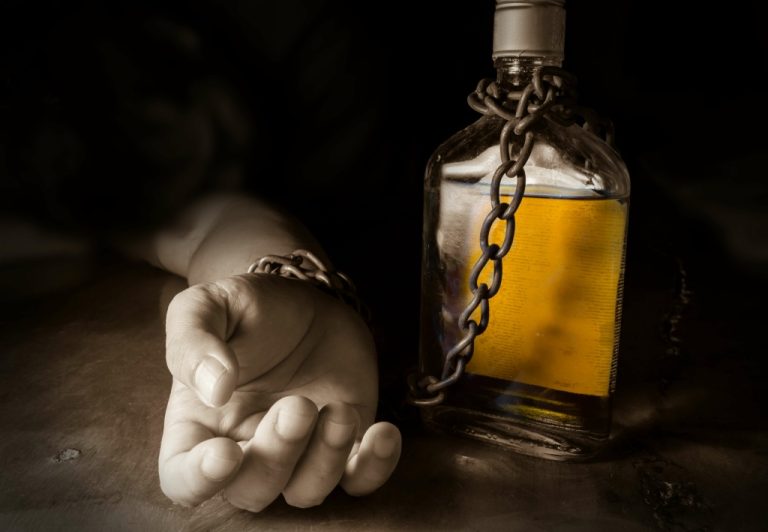
While it is okay to consume alcohol in moderation, some people have a hard time controlling how much they use. Unfortunately, alcohol abuse or EtOH abuse https://ecosoberhouse.com/ can lead to the development of an alcohol use disorder. A person may be using alcohol to self-medicate, and without addressing the underlying mental health condition, a person is at a higher risk of relapse. It’s important to note that etoh abuse doesn’t necessarily involve a formal diagnosis of alcohol use disorder, which is a more severe form of addiction. However, it is a serious problem that can lead to numerous negative consequences, from health complications to strained relationships and career problems.