
In the middle stage of alcoholism, drinking becomes near-daily, with alcohol consumed at any time, including mornings, to avoid withdrawal symptoms. Tolerance is high, requiring larger amounts to feel the same effects. Symptoms include severe withdrawal effects such as sweating, shaking, nausea, and mood swings. Alcohol consumption escalates despite personal, health, or legal consequences. Alcoholism, clinically referred to as alcohol use disorder (AUD), is a progressive condition that typically develops in stages, each marked by increasing severity and dependency. Understanding these stages is crucial for early intervention and treatment.
Stage Two: Cravings and Withdrawal Symptoms
Frequent, uncontrolled alcohol abuse eventually leads to problem drinking. While any form of alcohol abuse is problematic, the term “problem drinker” refers to someone who starts experiencing the impacts of their habit. The first stage of alcoholism is a general experimentation with alcohol. These drinkers may be new to different forms of alcohol and likely to test their limits.
Stages of Alcoholism: Denial, Dependence, & Decline
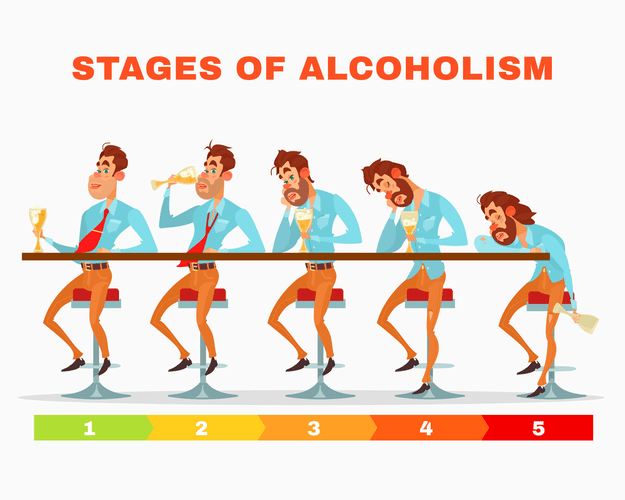
Recognizing the warning signs between alcoholism stages can determine whether you receive timely intervention or progress toward life-threatening complications. Early indicators include secretive drinking patterns and developing an emotional attachment to alcohol as your primary coping mechanism. As tolerance builds, physical cravings emerge and blackouts become frequent.

What is a Functioning Alcoholic & What are the Risks?
We can help answer your questions about alcohol addiction or help find an Alcoholics Anonymous group near you. If you or a loved one has an alcohol use disorder, don’t hesitate to https://chevronpetroleumgas.com/2022/01/13/dangers-of-drinking-after-work/ call us. In middle-stage alcoholism, family members may experience more significant consequences related to their loved one’s drinking. This may include financial problems due to job loss or medical bills related to health problems caused by alcohol use. They may also experience increased conflict within the family as a result of the addicted person’s behavior.
- As you progress through the stages of alcoholism, your physical health deteriorates, manifesting in conditions such as liver cirrhosis, cardiovascular diseases, and neurological impairments.
- This stage of alcoholism starts when people experience an increasing tolerance to alcohol and raise their alcohol intake with greater frequency and quantity.
You’re suffering from anxiety, depression, and you can’t sleep unless you have a drink before bed. Your friends don’t talk to you anymore because you ran them all off after they confronted you about your drinking habits. You frequently isolate yourself and spend a lot of your time alone, drinking. In this third stage, you’ve developed a full-blown alcohol addiction and are likely seeing the severe physical and emotional consequences it brings. You may have become completely obsessed with drinking and you’re constantly drinking, thinking about when you will have your next drink, or recovering from drinking.
However, it’s important Alcoholics Anonymous to seek help at this stage to prevent the disease from progressing and causing further damage to an individual’s life and health. It often requires intensive treatment, including medical detox, rehabilitation, and long-term support. The willingness of the individual to embrace change and seek help plays a crucial role in recovery.
Essentially, it takes more alcohol for the person to become intoxicated. Confrontations with family members and withdrawal symptoms may make someone feel uneasy about their drinking. They may drink in private, or they may lie about how many beverages they have. They may drink in their car or drive to a bar to drink, which can result in a car accident.
- One of the biggest concerns with risky drinkers is when they don’t think they have a problem.
- According to the 2022 National Survey on Drug Use and Health, 13.1 million people received substance use treatment in 2022.
- These things all come as a result of the body attempting to repair itself.

The main objective is to provide readers with the information they need to understand how alcoholism progresses. This knowledge can lead to better interventions and outcomes for individuals dealing with stages of alcoholism alcohol dependency. Alcoholism can also lead to accidents, suicide, and alcohol-induced blackouts. Individuals with alcohol use disorder (AUD) are at an increased risk of heart disease, which can result in heart attacks and other cardiovascular complications. Alcoholism is a chronic disease that can lead to numerous complications, both physical and mental.